GANXING Technical Guide
Concrete Grinding and Dust Control: A Surface Renovation Workflow
Plan coating removal, floor leveling, edge work, tooling changes and silica controls as one documented renovation process.
Quick answer
Start by identifying the slab, coating and required finish. Prove the tooling on a test area, connect a compatible shroud and dust extractor or use an approved wet method, then monitor cut, flatness and visible dust continuously. Edge work needs the same control standard as open-floor grinding.
Treat renovation as a system
The machine does not determine the result by itself. Diamond tooling, segment bond, machine weight, speed, dust shroud, extraction airflow, slab hardness, coating type and operator travel all interact.
Document the starting condition and target: coating removal, flattening, keying for a new coating, or progressive polishing are different processes with different stopping criteria.

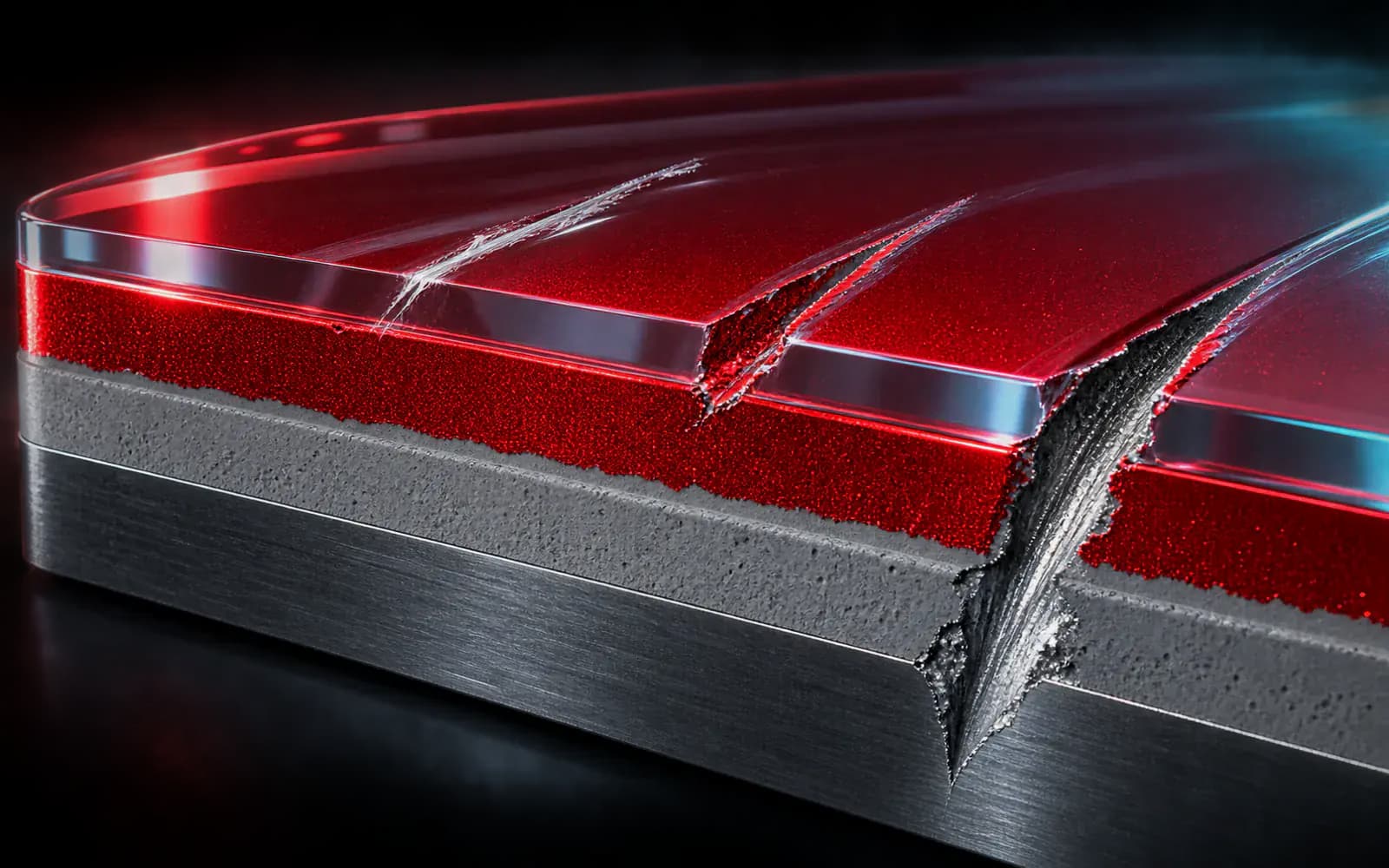
Select a process state to compare the material response.
A controlled renovation sequence
- 01
Survey the floor
Identify coatings, repairs, cracks, contaminants, high points, edges, power and dust-control logistics.
- 02
Prove tooling in a test zone
Confirm production rate, scratch pattern, coating removal and whether the segment bond matches the slab.
- 03
Control the open area
Maintain shroud contact, overlap travel and monitor extraction. Change tooling before glazing destroys consistency.
- 04
Treat edges as a separate process
Use compatible edge tools and shrouds, blend the scratch profile into the field, and avoid leaving an unprocessed perimeter.
- 05
Inspect and prepare the next step
Verify flatness, cleanliness and the required profile before applying coatings or continuing refinement.
Verify dust control at the point of generation
| Control | What must be verified | Common failure |
|---|---|---|
| Shroud + HEPA extraction | Shroud contact, intact hose, airflow and filter condition | Gaps at edges, kinked hose, blocked filter |
| Approved wet method | Continuous water at contact and controlled slurry | Dry zones or slurry allowed to dry |
| Housekeeping | Wet cleanup or approved HEPA method | Dry sweeping or compressed-air blowdown |
Visible dust is a control failure signal
Stop and check shroud position, hose, airflow, filter loading and work method. Absence of visible dust alone does not prove exposure is below a limit; follow the required exposure-control plan.
Reduce rework and operator load together
- Use tooling suited to the slab instead of adding uncontrolled pressure to a glazed or poorly cutting segment.
- Plan cable, hose and extractor movement so the operator does not fight the system or disconnect controls.
- Manage vibration, noise and actual trigger time based on assessed exposure and manufacturer data.
- Use edge machines and attachments designed for access instead of tilting a large grinder onto its rim.
Safety note: This guide provides a decision framework and does not replace an on-site assessment of the surface, coating thickness, material compatibility, or the machine manual. Test a small area first and use appropriate PPE.