GANXING Surface Intelligence
Turn surface problems into controlled processes.
From defect diagnosis and material response to machine motion and consumable systems—make the right decision before removing material.
Explore automotive paint correction →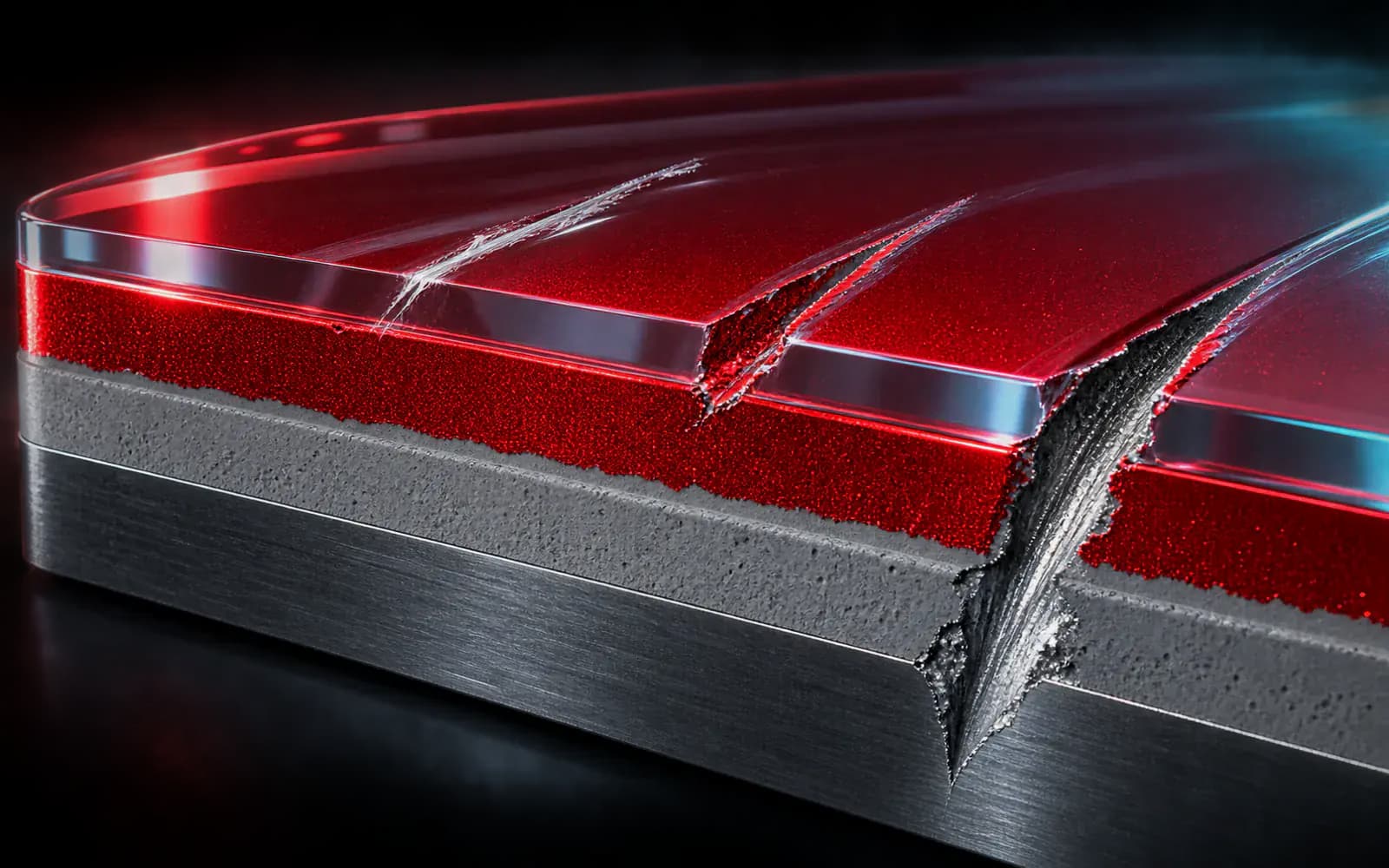
CLEAR COAT · POLISHABLE
COLOR COAT · ASSESS
COATING BREACH · REPAIR
01 Identify the surface
Paint, stone, metal, wood or concrete.
02 Diagnose the defect
Scratches, swirls, oxidation, sanding marks or coating failure.
03 Build the process
Select motion, abrasive, safety limit and inspection method.
01 / Automotive
Automotive Paint Correction
Diagnose paint defects, choose the right polishing motion, and build a controlled correction process before removing clear coat.
018 min readDiagnostic foundation
Can Car Scratches Be Polished Out? A Scratch-Depth Diagnosis Guide
Learn how to distinguish surface transfer, clear-coat scratches, deep paint damage, and defects that should not be machine polished.
 0210 min read
Beginner to intermediate
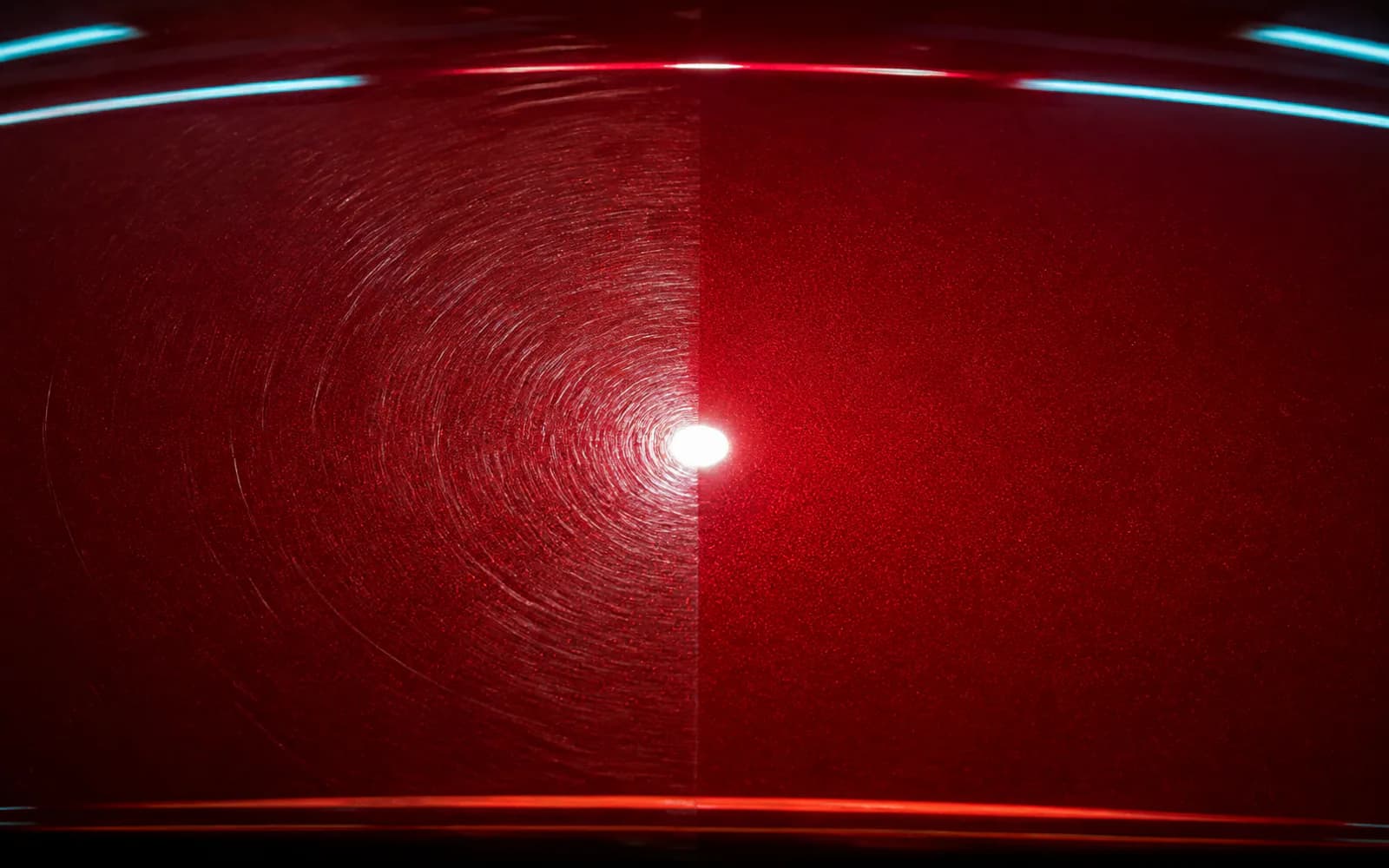
How to Remove Swirl Marks Without Burning Through Clear Coat
A controlled DA polishing workflow for diagnosing, correcting, inspecting, and preventing swirl marks.
 039 min read
Tool selection
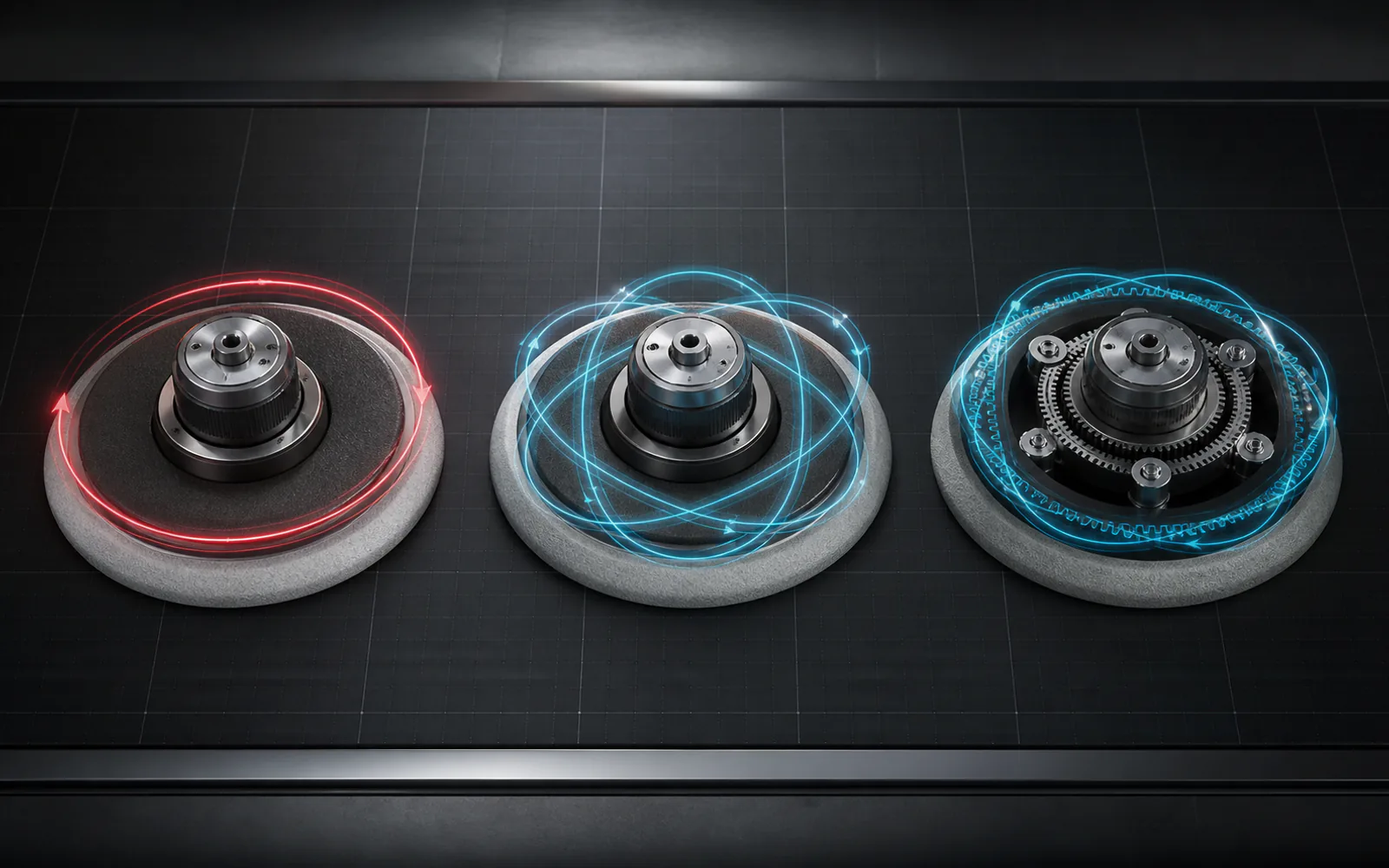
Rotary vs Dual Action Polisher: Motion, Cutting Power and Risk
Compare rotary, free-spinning DA, and forced-rotation polishers by motion path, correction speed, finish quality, and operator control.
 048 min read
System setup
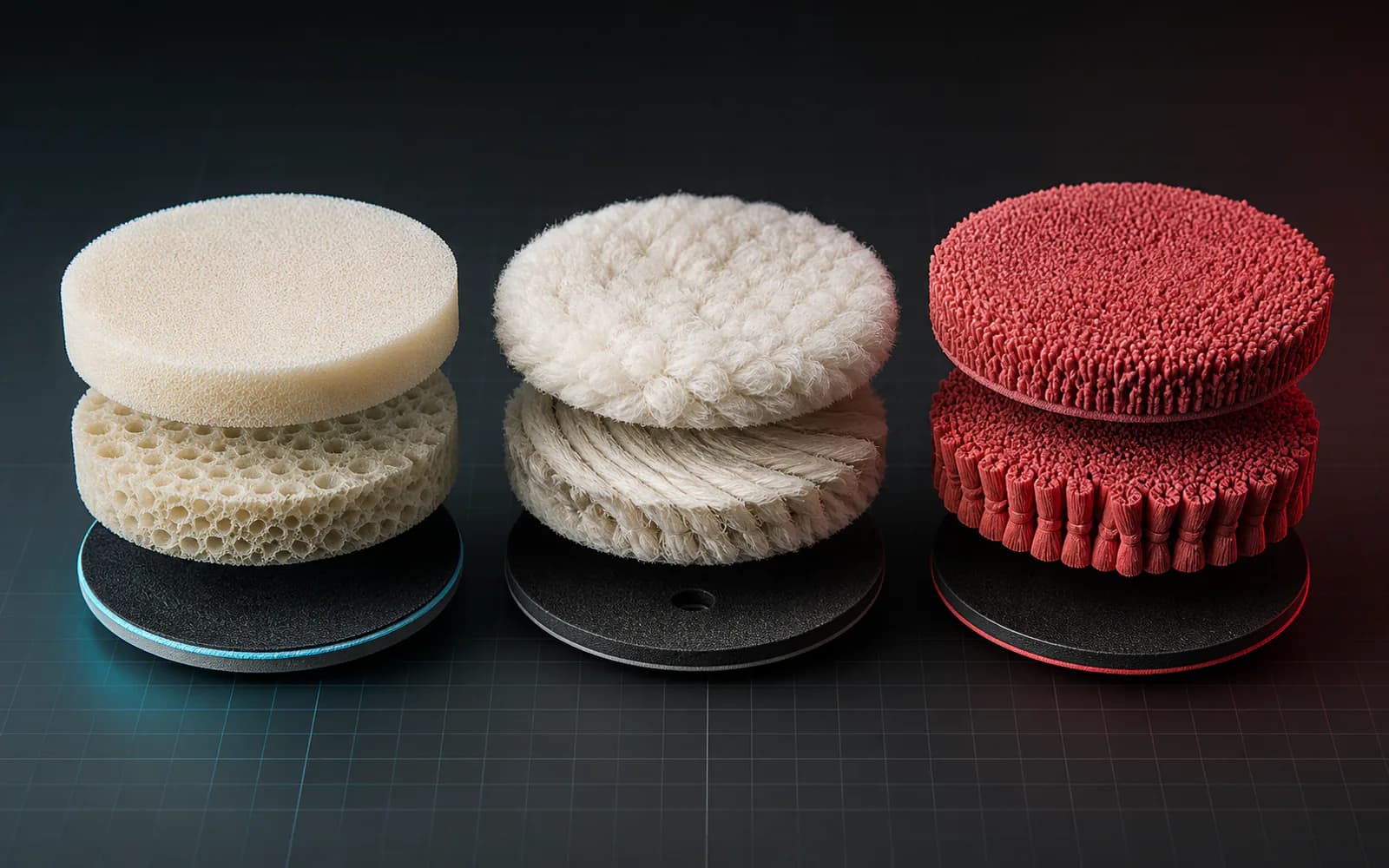
Foam, Wool or Microfiber? A Polishing Pad Selection Guide
Understand how pad material, structure, size, cleanliness, and polish work together to control cut and finish.
02Interactive
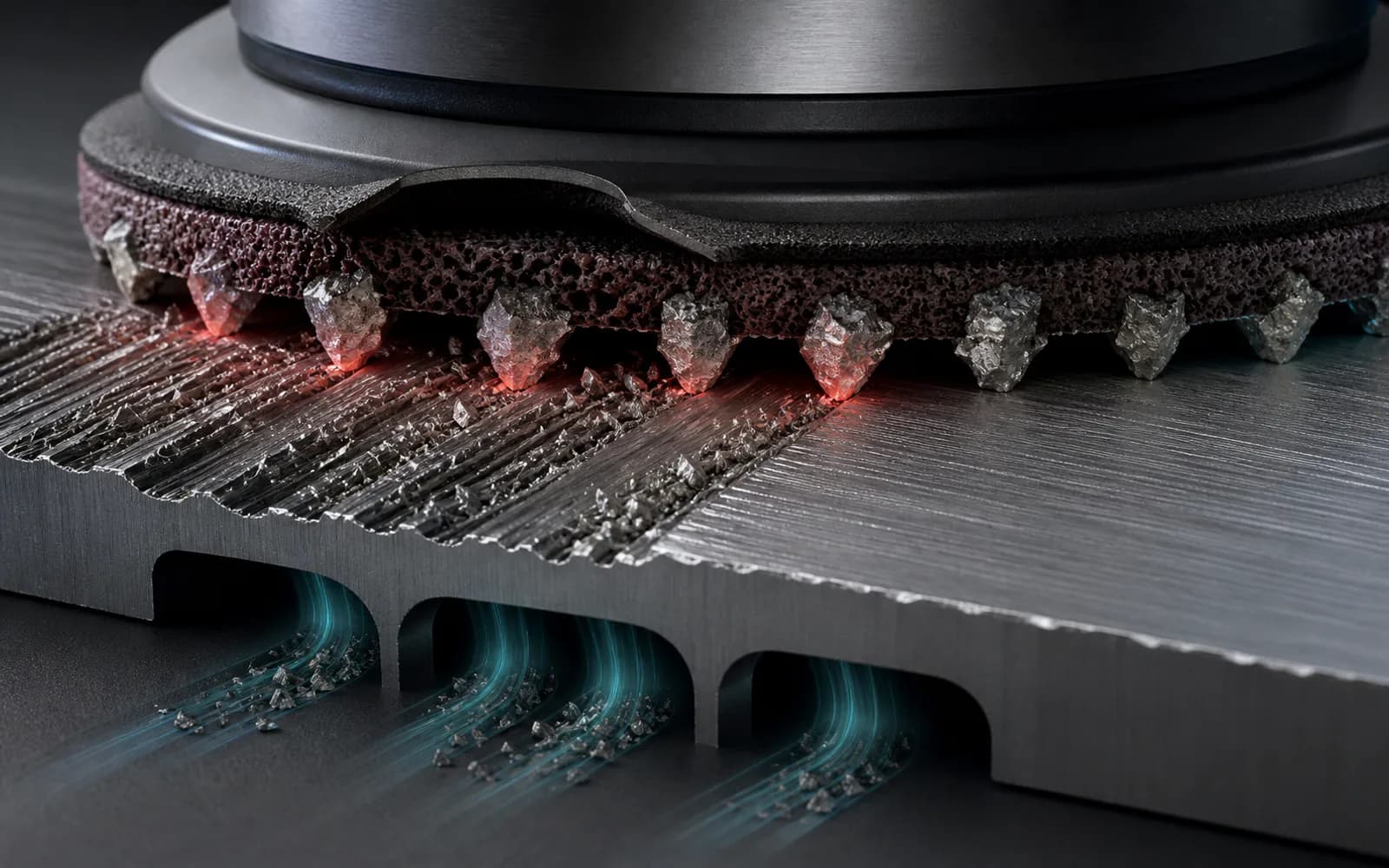
Sanding & Surface Preparation
Control scratch depth, grit progression, orbit and extraction to create a uniform surface for coating or polishing.
Open topic →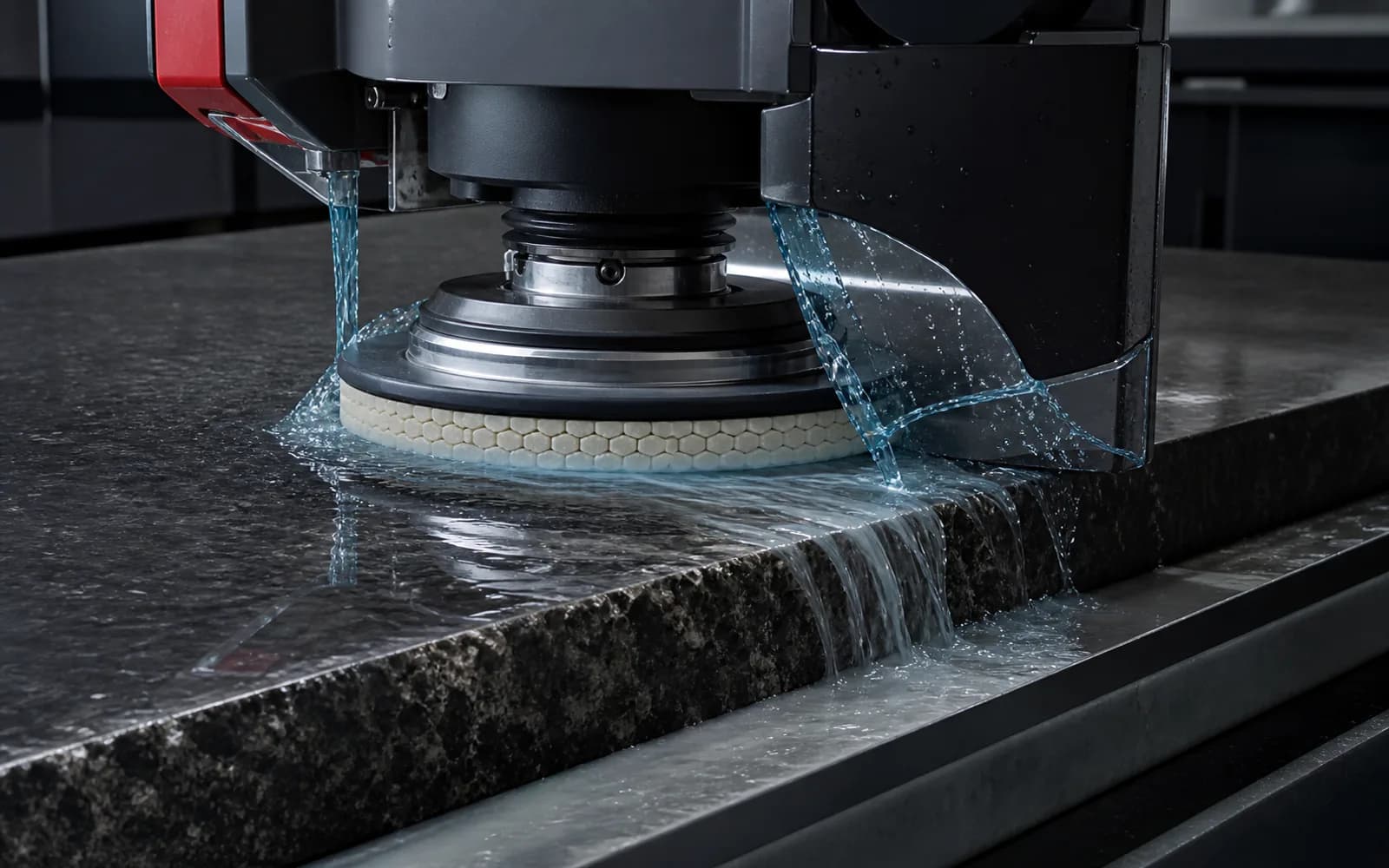
03Interactive
Wet Stone Polishing
Understand water delivery, diamond-pad progression, slurry control, electrical protection and material-specific inspection.
Open topic →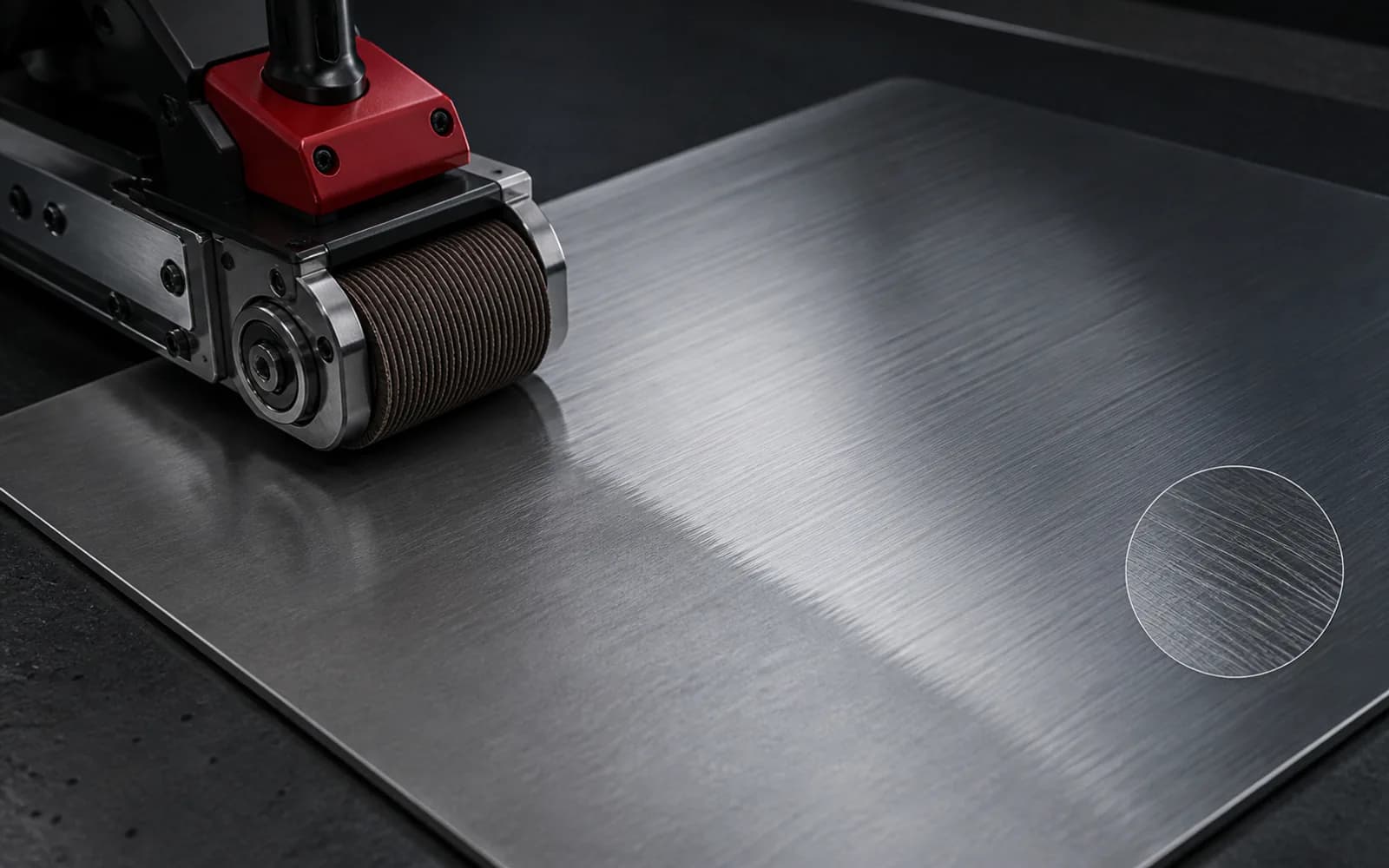
04Interactive
Stainless Steel Finishing
Restore weld zones and satin grain by separating stock removal, scratch blending and directional final finishing.
Open topic →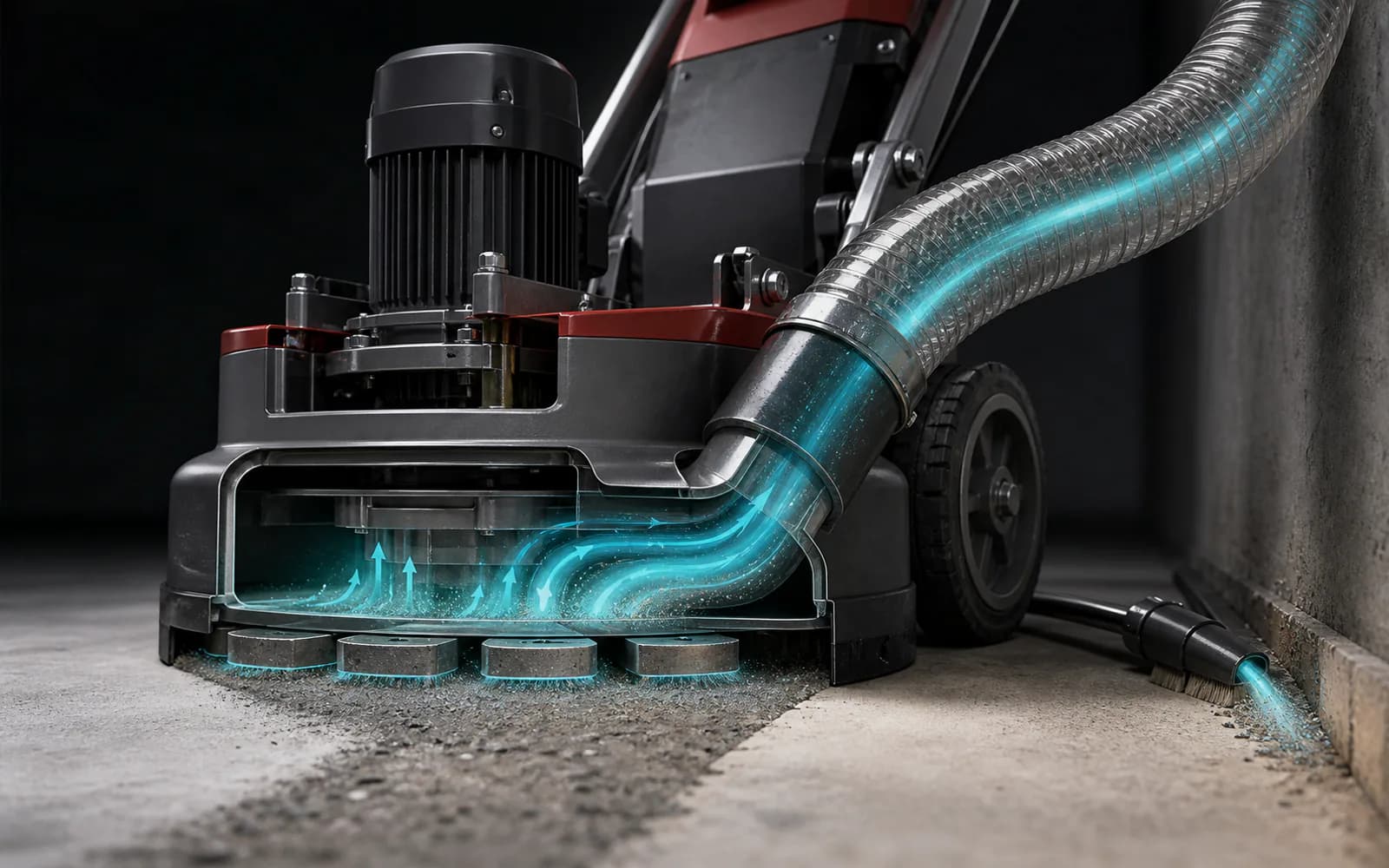
05Interactive
Concrete Surface Renovation
Plan coating removal, leveling, edge work and dust controls as one verified renovation system.
Open topic →