GANXING Technical Guide
How to Restore a Stainless Steel Satin Finish Without Crossing the Grain
Separate weld removal, scratch blending and directional finishing to reproduce a controlled stainless-steel grain.
Quick answer
First identify the existing grain direction and finish level. Remove the defect locally without digging a low spot, refine every coarse scratch, then make slow final passes with the grain while easing pressure at both ends. Crossing the grain during the final step makes the repair visible under directional light.
Read the finish before touching it
A satin surface is an intentional directional scratch pattern. Its appearance depends on line direction, depth, density and uniformity. Inspect from several angles under grazing light and mark the original grain direction beyond the repair zone.
Confirm alloy, contamination requirements and target finish. Tools previously used on carbon steel can transfer iron contamination to stainless steel, so dedicated, clean abrasives may be required.
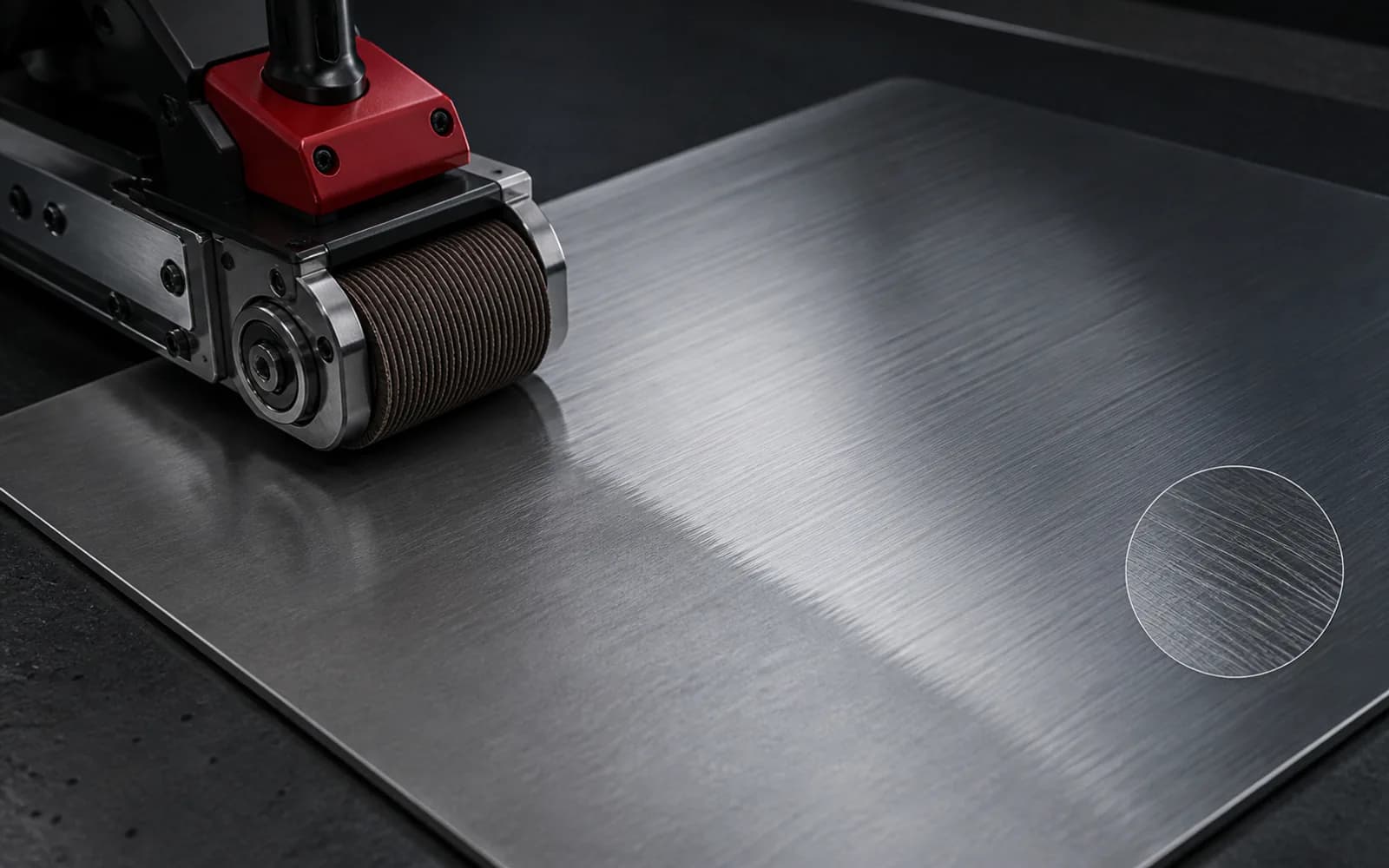
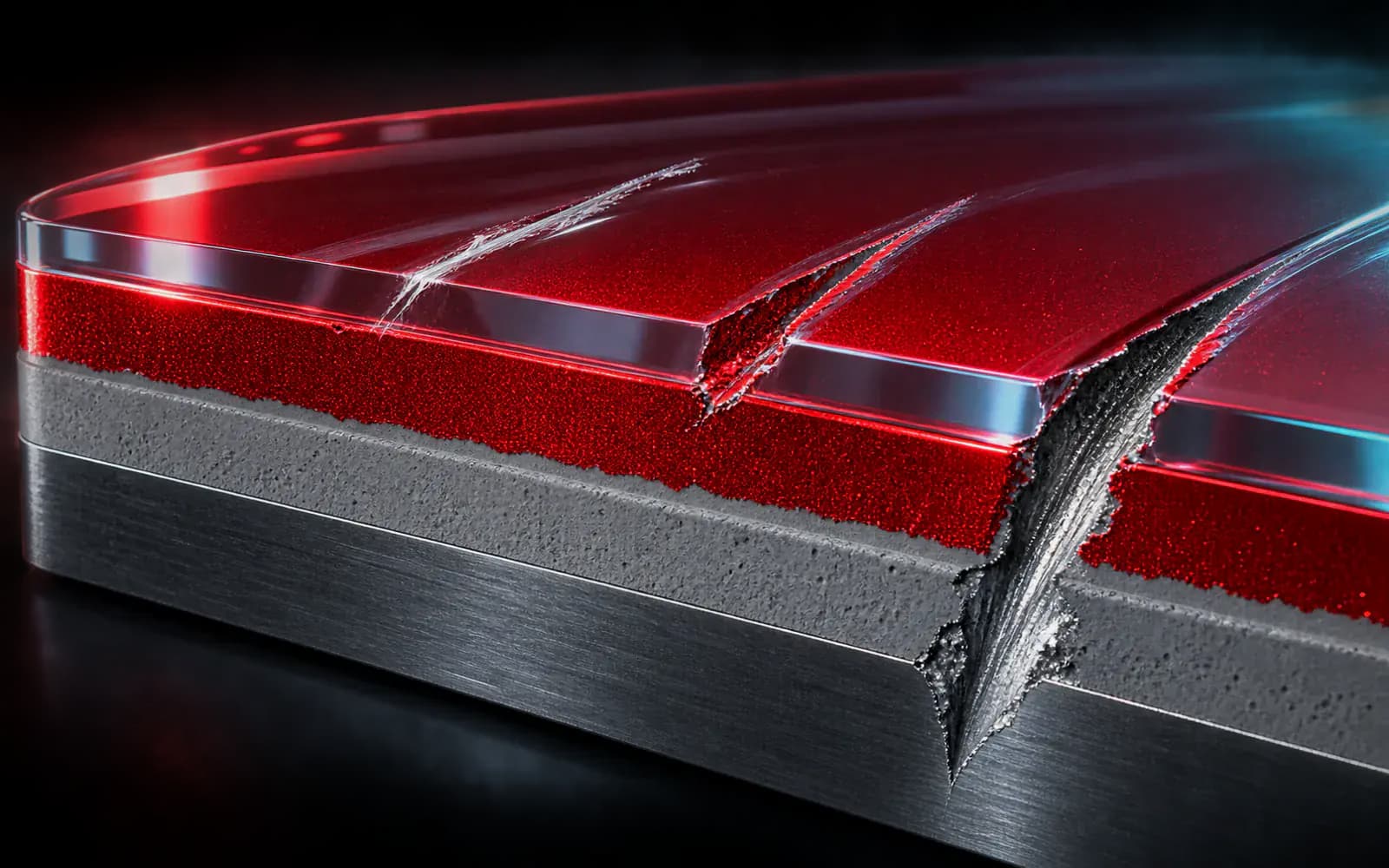
Select a process state to compare the material response.
Separate three jobs that look similar
| Stage | Job | Main failure mode |
|---|---|---|
| Stock removal | Level a weld or remove damage | Overheating, undercutting or creating a low spot |
| Scratch blending | Remove coarse grinding marks | Leaving one deep line that prints through the finish |
| Directional finishing | Match line direction and visual density | Cross-grain marks, stop marks or an over-bright patch |
Blend with the grain and feather the ends
- 01
Test on a corner or sample
Confirm abrasive grade, speed and visual match before expanding the repair.
- 02
Use slow controlled travel
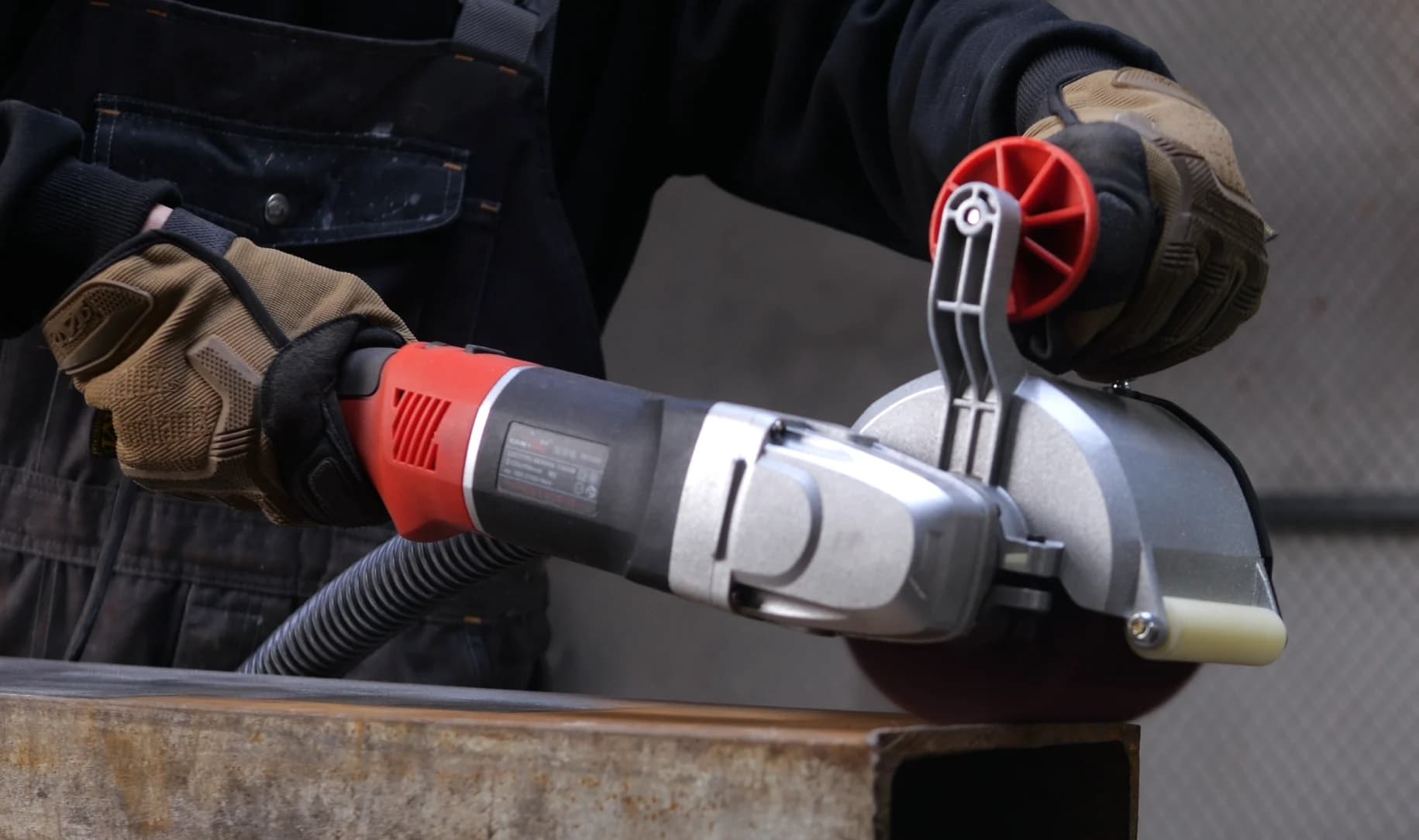
Run the final finishing tool with the existing grain, not across it. Maintain a consistent contact footprint.
- 03
Feather in and out
Ease pressure at both ends of each stroke to avoid abrupt start and stop bands.
- 04
Inspect from multiple angles
Directional metal finishes can appear matched from one view and mismatched from another.
Control heat, pressure and contamination
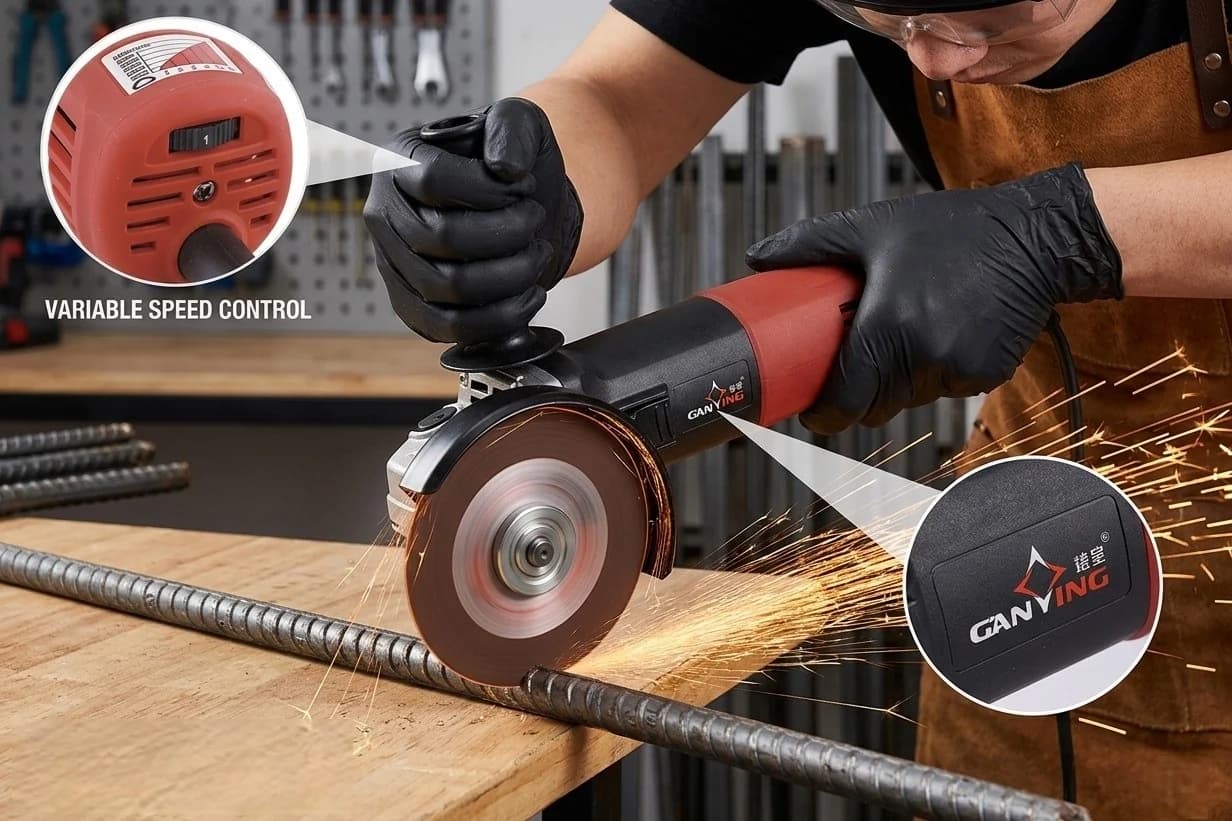
- Use the abrasive manufacturer’s recommended speed; nonwoven finishing products often rely on controlled lower speed for uniform satin results.
- Excess pressure does not guarantee faster work and can distort the grain or increase heat discoloration.
- Use local exhaust or suitable capture for grinding and polishing dust according to the material and workplace assessment.
- Keep abrasives assigned by material to reduce cross-contamination.
Safety note: This guide provides a decision framework and does not replace an on-site assessment of the surface, coating thickness, material compatibility, or the machine manual. Test a small area first and use appropriate PPE.